Repair of Roofing: Expert Guide
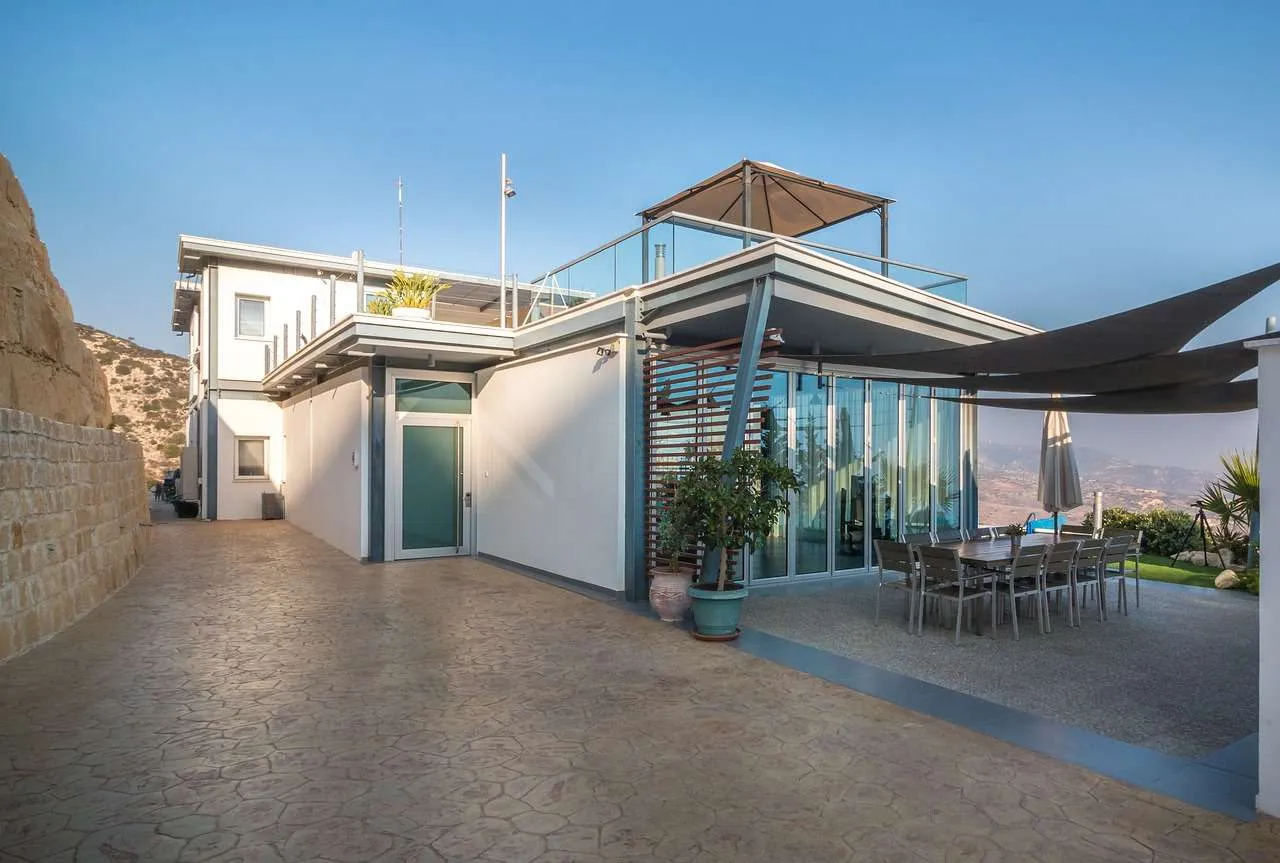
Repair of roofing is a critical task that protects a home from water damage, energy loss, and structural stress. With proper assessment, safe practices, and professional execution, a roof can be restored to service for years to come. This guide provides signs that repair is needed, how to decide between DIY and professional help, and what to expect from common repair methods across materials.
Signs that you need repair of roofing
- Water stains on ceilings or in the attic after rain
- Light visible in the attic through roof boards
- Curling, cracked, or missing shingles or tiles
- Granules accumulated in gutters or at the edge of the roof
- Damaged flashing around chimneys, vents, or dormers
- Sagging sections or visible roof movement
DIY or professional repair: risks and scope
Repair work to a roof carries fall hazards, hidden structural issues, and the risk of leaks if done improperly. For small issues such as a few loose shingles or minor flashing cracks, a confident homeowner can perform careful repairs after researching proper materials and safety steps. Most roofing tasks, however, demand professional training, proper equipment, and up to date knowledge of local codes. Working with a licensed roofer ensures quality, safety, and warranties that protect your investment.
Emergency roof repair
Act quickly when there is active water intrusion. Contain the damage by placing a tarp or plastic sheeting over the affected area, avoid walking on wet or damaged sections, and contact a professional roofer as soon as possible.
Repair approaches by roofing material
Asphalt shingles
Most repairs involve replacing missing or damaged shingles and resealing flashing. Use matching shingles and proper nailing patterns to prevent future leaks. If damage extends under the shingles, flashing and underlayment replacement may be required. Safety gear and ladder use are essential during all work.
Clay or concrete tile
Tile roofs require careful handling because individual tiles are fragile. Replacing a broken tile, resealing the surrounding mortar, and checking the underlayment are common tasks. A pro can minimize breakage and ensure a watertight seal once tiles are reset with compatible mortar or sealants.
Metal roofing
Repair often focuses on sealing seams, replacing damaged panels, and addressing flashing at joints. Metal roofs re-seal well when corrosion is limited, but damaged coatings or penetrations must be repaired to prevent leaks and heat transfer.
Flat roofs and membranes
Flat roofs use membranes such as EPDM or TPO. Patching small leaks, resealing seams, or replacing a damaged section of the membrane are typical approaches. In some cases a professional may recommend a restore or thin coating to extend service life.
Costs, safety, and insurance considerations
Repair costs vary by material, location, and extent of damage. Minor fixes may run a few hundred dollars, while larger repairs or deck replacements can climb higher. Insurance coverage depends on the cause of damage and policy terms; always document the damage with photos and keep records of contractor work. When hiring, obtain multiple quotes, verify licensing and insurance, and request a written warranty.
| Issue | Typical repair | Estimated cost |
|---|---|---|
| Missing shingle | Replace one or several shingles | 150-350 |
| Damaged flashing | Repair or replace flashing | 200-600 |
| Leak around vent or chimney | Seal or replace boot and seal joints | 150-500 |
| Damaged roof deck or substructure | Replace decking and reseal | 1000-3500 |
Maintenance to prevent future problems
- Schedule professional roof inspections after major storms
- Keep gutters clean and free of debris
- Trim overhanging branches to reduce impact and debris
- Address moss, algae, and venting issues promptly
- Ensure attic ventilation and insulation are adequate
Conclusion
Conclusion, timely repair of roofing preserves safety, protects the home, and respects budget. By recognizing early signs, choosing the right approach, and consulting a qualified roofer, homeowners can extend roof life and ensure lasting value.